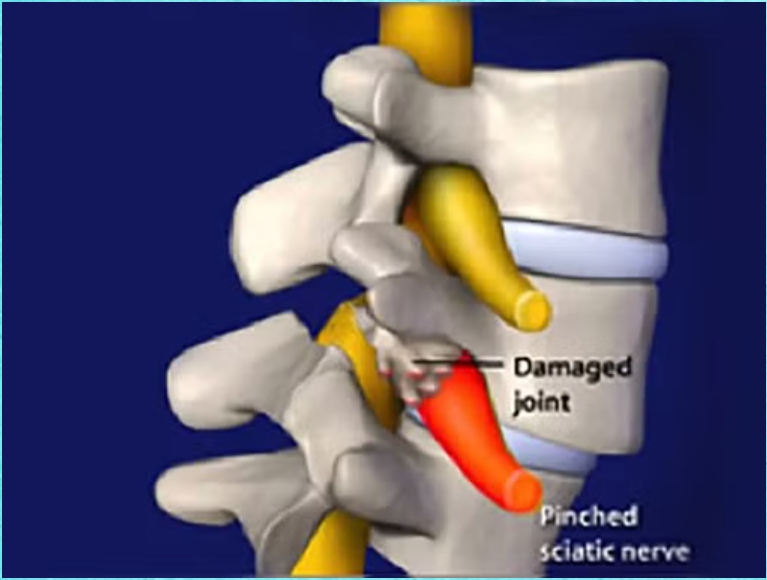
Lumbar spinal surgery is a specialized medical procedure designed to alleviate persistent lower back pain and associated neurological symptoms caused by structural issues in the spine. Commonly addressed conditions include herniated discs, spinal stenosis (narrowing of the spinal canal), degenerative disc disease, and spondylolisthesis (vertebral slippage). This intervention is typically recommended after conservative treatments—such as physical therapy, medications, or epidural steroid injections—have failed to provide relief.
Surgeons may perform various procedures depending on the underlying issue. For example, a microdiscectomy removes herniated disc material compressing nerves, while a laminectomy enlarges the spinal canal to relieve pressure from stenosis. Spinal fusion joins unstable vertebrae using bone grafts or implants, often following other procedures, whereas foraminotomy widens the nerve exit points to reduce compression. Advances in minimally invasive techniques now allow for smaller incisions, reduced tissue damage, shorter hospital stays, and quicker recovery times.
Despite its efficacy, Lumbar Spine Surgery NJ carries risks, including infection, nerve injury, or the possibility of residual pain. Patient selection is critical; comprehensive evaluations using imaging (MRI/CT scans) and specialist consultations ensure surgery is tailored to individual needs. Recovery often involves physical therapy, with outcomes varying based on the condition and surgical approach. For many, however, lumbar spinal surgery offers a transformative solution, restoring mobility and significantly improving quality of life when non-surgical treatments no longer suffice.

Lumbar Spinal Surgery: A Path to Relief for Chronic Back Pain